
Top 7 Stainless Steel Coil Grades for Green Energy & New Materials: A Buyer's Recommendation List
Top 7 Stainless Steel Coil Grades for Green Energy & New Materials: A Buyer's Recommendation List
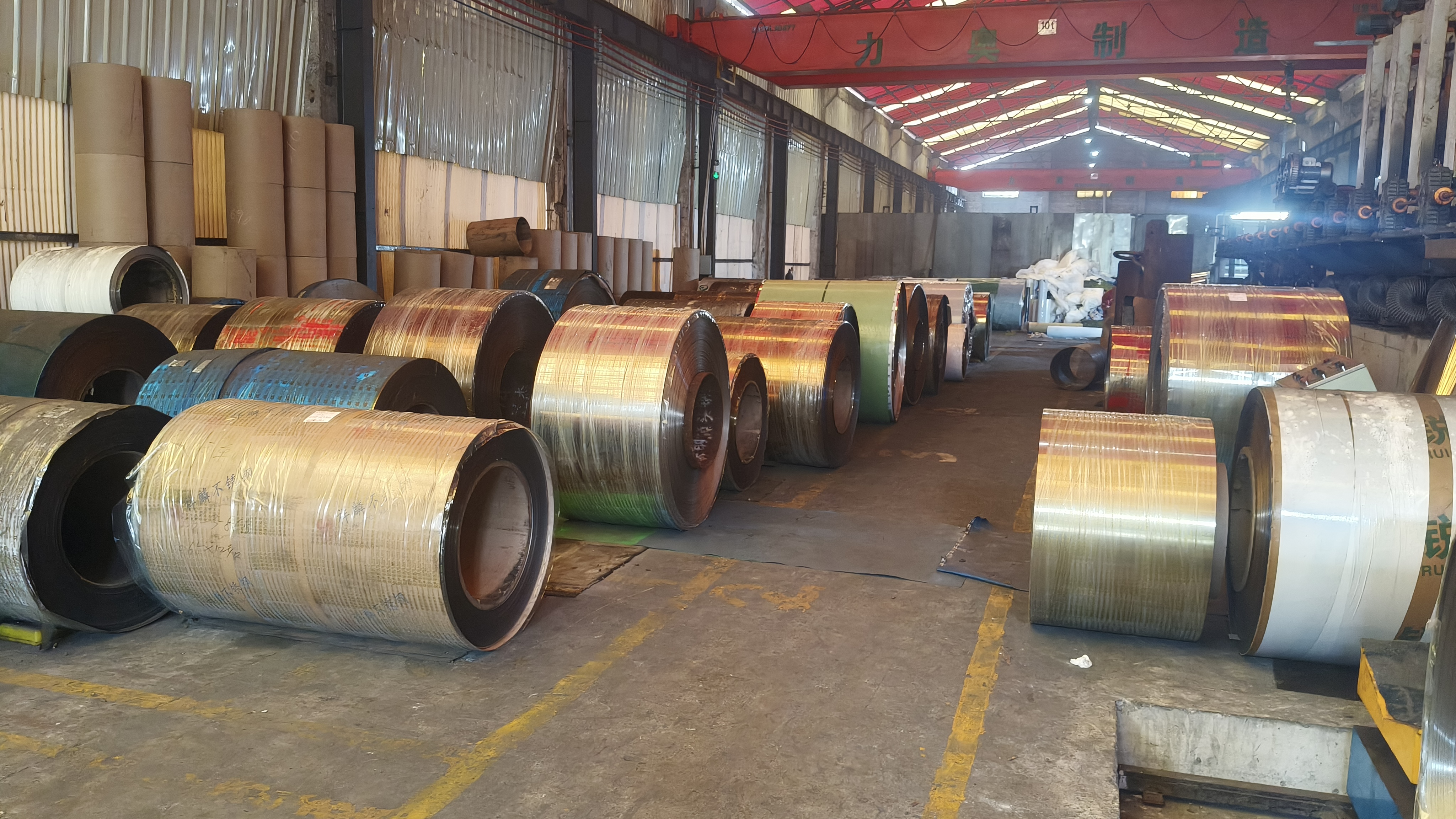
This recommendation list ranks seven stainless steel coil grades — 304, 201 J1, 430, 410, 201 J5, 201 J2 and 201 J3 — by application fit for green energy and new materials manufacturers. Rank order reflects how broad each grade's documented end-use coverage is, whether it is supplied in the coil formats conversion lines actually consume, and how repeatable it is to re-order on a long-term supply program. The formats referenced throughout are baby coil and secondary stainless steel coil from NINGBO SUNFIRE STAINLESS STEEL CO., LTD, a China-based stainless steel supplier founded in 2013 that exports 100% of its output and specialises in secondary and baby coil.
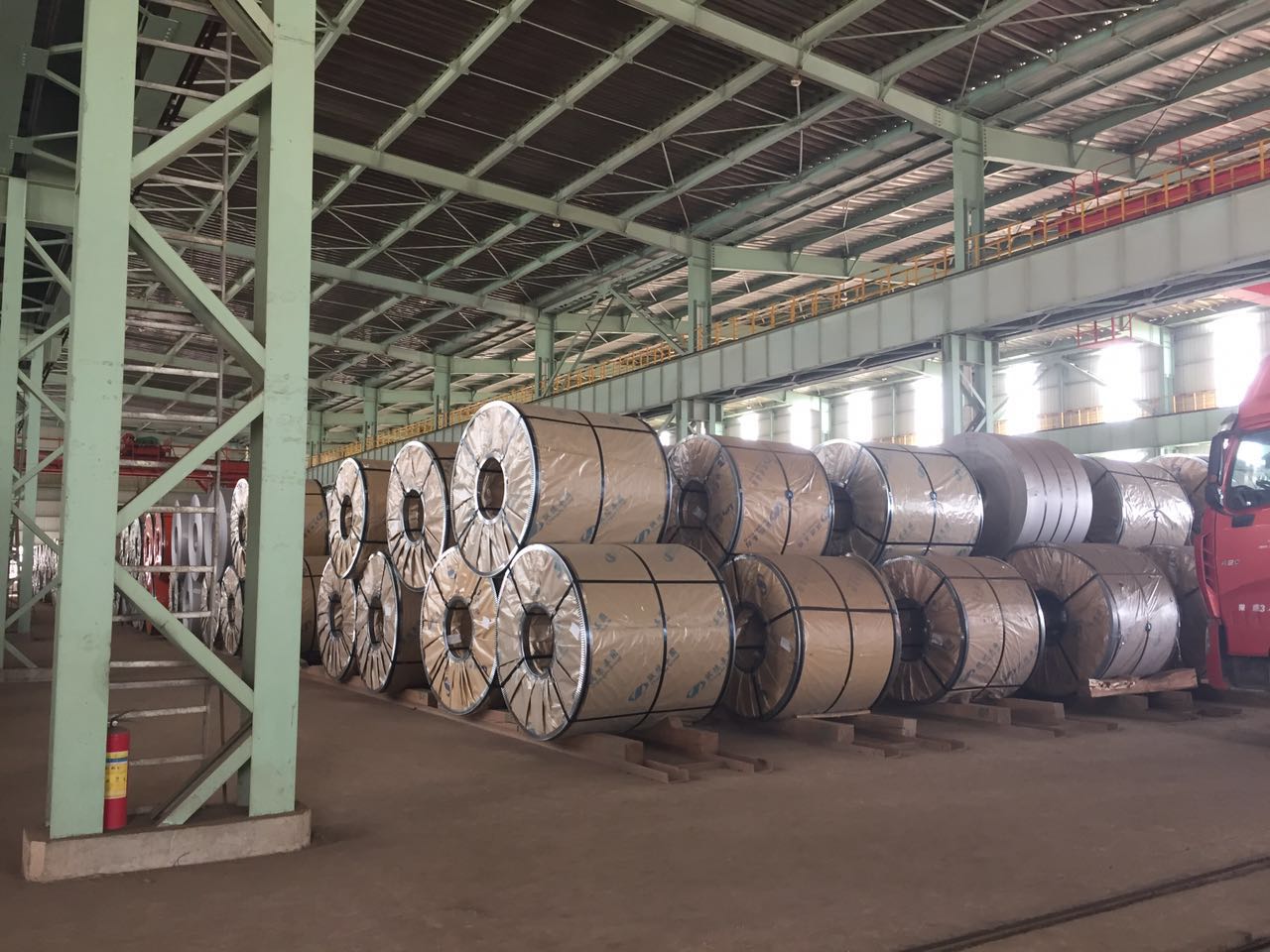
A ranking only earns its place if a buyer can act on it. Each entry below states the grade, where it fits, the coil format and finish it is normally supplied in, and the reason it holds its position. Where a point rests on trade practice rather than a printed specification, the article says so, so buyers know exactly what to verify on the Mill Test Certificate before booking.
Why Choosing a Coil Grade Is Harder Than It Looks
The difficulty in stainless coil sourcing is rarely a shortage of grade names. It is the distance between the grade written on a purchase order and the material behaviour a forming line actually needs. Five gaps cause most of the trouble.
- Variant ambiguity. The 201 family is traded under mill-specific designations such as J1, J2, J3 and J5. Those designations are not standardised between producers, so the same label can describe slightly different alloy balances.
- Format mismatch. A correctly chosen grade can still fail if it arrives in the wrong thickness or width. Baby coil, narrow secondary coil and wider coil are not interchangeable inputs.
- Finish assumptions. Finish is a separate decision from grade. Baby coil supply is mainly BA (bright annealed) finish, and a coil heading for a visible appliance panel behaves differently from one heading into a hidden bracket.
- Documentation gaps. Without a Mill Test Certificate tied to the actual heat, a grade claim cannot be verified after the container arrives.
- Continuity risk. A grade approved once is worth little if the same variant, finish and tolerance cannot be delivered again on the next order.
Two risks are specific to coil handling: surface scratches and rust. The standard controls are PVC protection, precision rolling and surface inspection, with pre-shipment inspection and export-standard packaging as the final gate before loading. Buyers setting up a long-term program should treat those controls as part of the product specification, not as logistics detail.
Industry Background: A Bigger, More Export-Driven Coil Market
The global stainless steel market was valued at USD 135.8 billion in 2025 and is projected to reach USD 247.4 billion by 2033, according to Grand View Research. China sits at the centre of that volume: the country's stainless steel exports reached an all-time high of 5.04 million tonnes in 2024, a 25.6% increase year on year, based on General Administration of Customs data reported by Mysteel. Domestic Chinese imports moved the other way, falling 9.3% to 1.88 million tonnes in 2024 as domestic capacity expanded.
Two structural facts shape how a buyer should read a quotation. First, trade policy is now part of landed cost: EU anti-dumping duties on stainless steel cold-rolled flat products from China and Taiwan were maintained at 24.6%–28.5% following the 2025 expiry review under European Commission Regulation 2025/1573, so an EU purchaser needs the duty position priced in rather than discovered at customs. Second, the standard framework is well defined — ASTM A240 and ASME SA240 are the core international standards for stainless steel plate, sheet and strip used in general and pressure vessel applications — which means a material claim can be tested against a published specification instead of a sales description.
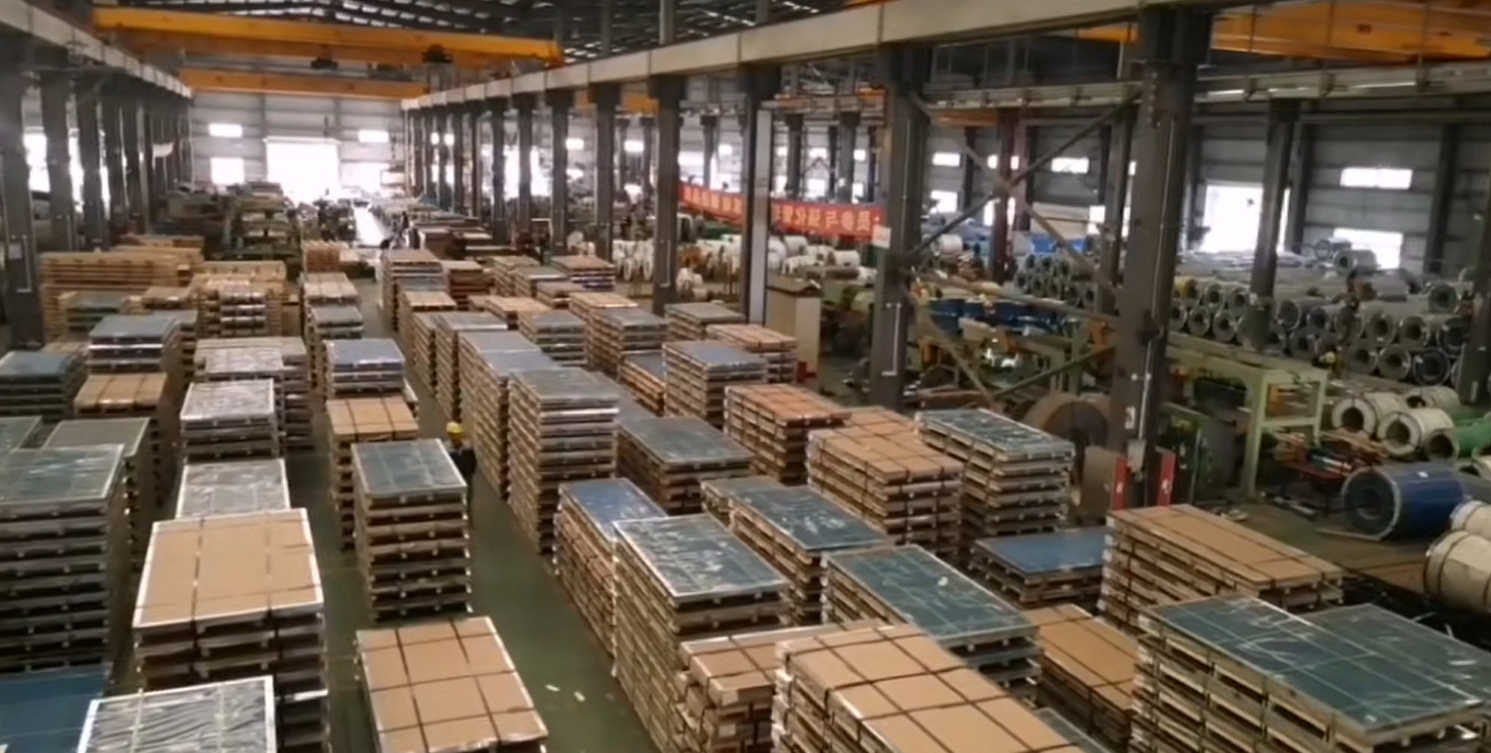
On the supply side, cold-rolled capacity continues to consolidate around large producers. Hongwang Group, a major global producer specialising in cold-rolled stainless steel, operates a joint venture in Indonesia with 700,000 tonnes per year of cold rolling capacity, according to Mysteel Global. For a buyer, that matters less as a headline and more as an availability signal: the coil grades in this list are widely produced, so differentiation between suppliers comes from grade consistency, format control and documentation rather than from access to the grades themselves.
NINGBO SUNFIRE STAINLESS STEEL CO., LTD operates from an office in the Ningbo Chamber of Commerce, Ningbo, China, with an annual output of 25,920 MT and a monthly production capacity of 3,000 MT for export. The company reports a 100% export ratio and serves Pakistan, India, Vietnam, Russia, Turkey, Indonesia, the UAE, Thailand, Malaysia and Bangladesh. Its stated advantage is in secondary and baby coil — the two formats in which most of the grades below are bought.
The Top 7 Stainless Steel Coil Grades, Ranked
Ranking here is by application fit for green energy and new materials manufacturing, measured against the documented end-use list covered by this supply channel: tube and pipe manufacturing, automotive components, industrial equipment, kitchenware and cookware, metal stamping and deep drawing, home appliances, elevator decoration, construction and interior decoration, tableware production, and hardware accessories.
1. 304 Stainless Steel — The Default Where Corrosion Matters
304 takes the top position because it covers the widest spread of that end-use list. The austenitic grade is the conventional choice where a part will meet moisture, cleaning agents or an outdoor environment, which places it in tube and pipe manufacturing, industrial equipment, automotive components and home appliances without any narrowing of scope. It is supplied as 304 baby coil and in secondary coil formats, so the grade travels with the format. Acceptance is by Mill Test Certificate, with ASTM A240 and ASME SA240 as the reference standards. For green energy equipment frames, process tubing, enclosures and structural brackets, 304 is the logical starting point; stepping down to a lower-nickel grade should be justified by a specific forming or cost reason rather than by default.
2. 201 J1 Stainless Steel — Deep Drawing for Kitchenware and Cookware
201 J1 belongs to the 201 family of lower-nickel austenitic grades, and it is commonly specified where a press is asked to draw rather than simply bend. That places it in kitchenware and cookware, tableware production and deep-drawn hardware accessories. The baby coil format fits this work closely: thickness runs from 0.1 mm to 1.2 mm, with roughly 80% of that supply between 0.3 mm and 0.6 mm, and widths sit at around 600 mm — a practical match for cookware body and lid blanks. Two checks belong in the specification: because J-designations are mill-defined, the exact variant should be confirmed on the Mill Test Certificate, and the finish should be confirmed as BA where the drawn part will remain visible.
3. 430 Secondary Stainless Steel — Appliances, Panels and Decoration
430 is the ferritic grade that anchors appliance and decorative work in this list, serving home appliances, construction and interior decoration, and elevator decoration. It is listed as 430 secondary stainless steel because the secondary coil format is how it normally moves through the trade. Secondary stainless steel is supplied at grades 201, 304, 410 and 430 as narrow or wider coils: narrow coils weigh approximately 200 kg with a width of around 600 mm and thickness from 0.1 mm to 1.2 mm, while wider coils run from 1000 mm to 1250 mm in width and 0.25 mm to 1.5 mm in thickness. Surface finish is primarily BA. Because "secondary" describes a format and specification range rather than a quality tier, buyers should confirm grade, thickness and finish against the Mill Test Certificate instead of relying on the trade label alone.
4. 410 Stainless Steel — Stamping and Automotive Components
410 is the martensitic option in this list, serving metal stamping and deep drawing, automotive components and industrial equipment. It ranks fourth because its fit is narrower and more process-dependent than 304 or 430 — but where a component is stamped, blanked or formed and then requires a harder working surface, 410 is a well-established route. In practice, 410 coil is frequently slit and cut into circles before stamping, which is why 410 stainless circle appears alongside 410 coil in buyer enquiries. 410 coil is available in baby coil and secondary coil, and the same rule applies as with the 201 family: the mechanical values of the delivered heat should be verified on the certificate rather than assumed from the grade name.
5. 201 J5 Stainless Steel — The Second Forming-Oriented 201 Option
201 J5 is quoted as a distinct line item from J1 and should not be treated as interchangeable with it without confirmation. It covers the same documented end-use ground — kitchenware and cookware, home appliances and hardware accessories — and is supplied in baby coil. It ranks below J1 because J1 is the more frequently specified designation in drawn cookware and tableware programs, while J5 is generally encountered as an alternative where a particular mill's alloy balance suits the buyer's tooling. The practical test is a trial run on the actual press, followed by a comparison of the certificates for both variants.
6. 201 J2 Stainless Steel — General Forming at Controlled Cost
201 J2 sits in the 201 family with a fit oriented towards general forming rather than aggressive drawing, covering kitchenware and cookware, tableware production and hardware accessories. It ranks sixth because it earns its place on parts where forming demand is moderate and the buyer is deliberately managing material cost. It is supplied in baby coil, and the same 0.1 mm to 1.2 mm thickness band applies. Buyers using J2 for a visible surface should confirm the finish specification in advance, since the cost case for the grade depends on the part not requiring rework after forming.
7. 201 J3 Stainless Steel — The Alternative 201 Position
201 J3 closes the list as an alternative 201 designation covering the same kitchenware, appliance and hardware categories. It ranks seventh not because it is unsuitable, but because it is the least standardised position in the group: with mill-defined designations, J3 carries more supplier-to-supplier variation than 304 or 430, so a buyer changing supplier may need to requalify the material even though the grade name stays the same. It is available in baby coil and is normally specified where the buyer already has a proven tooling setup for that variant.
Ranking note: positions 2, 5, 6 and 7 sit inside the same 201 family. The distinctions between J1, J2, J3 and J5 are mill-defined rather than standardised, so the ordering above reflects conventional trade positioning and should be validated against the certificates and a trial run for your specific tooling.
Step-by-Step: Turning the Ranking Into a Purchase Decision
- Define the service environment first. Moisture, cleaning chemicals and outdoor exposure push the decision towards 304. Dry indoor appliance or decorative parts leave 430, 410 and the 201 family open.
- Name the forming operation. Deep drawing, bending, blanking or stamping and tube forming impose different demands; a grade only makes sense in the context of the press or roll former it will run on.
- Fix the format before the grade. Baby coil: 0.1 mm–1.2 mm thickness, with about 80% between 0.3 mm and 0.6 mm, width around 600 mm. Narrow secondary coil: approximately 200 kg, width around 600 mm, 0.1 mm–1.2 mm. Wider coil: 1000 mm–1250 mm width, 0.25 mm–1.5 mm thickness.
- Specify finish and surface protection. BA is the prevalent finish in this supply channel and accounts for the majority of baby coil output. Other finishes traded in the wider market include 2B, No.4 and HL for industrial and decorative use, and mirror finishes such as 8K, with 12K representing the highest reflectivity tier. PVC protection, precision rolling and surface inspection control the scratch and rust risks.
- Set the acceptance document. The Mill Test Certificate is the acceptance basis, referenced against ASTM A240 and ASME SA240 for plate, sheet and strip.
- Confirm commercial terms. Minimum order quantity is 27 metric tons; monthly capacity for export is 3,000 MT; standard delivery time ranges from 7 to 45 days; CIF delivery is available and TT and DP payment terms are accepted.
- Design the repeat order before the first shipment. For a long-term program, agree the variant, tolerance, finish and packaging once and hold them constant, then confirm each shipment against that baseline certificate.
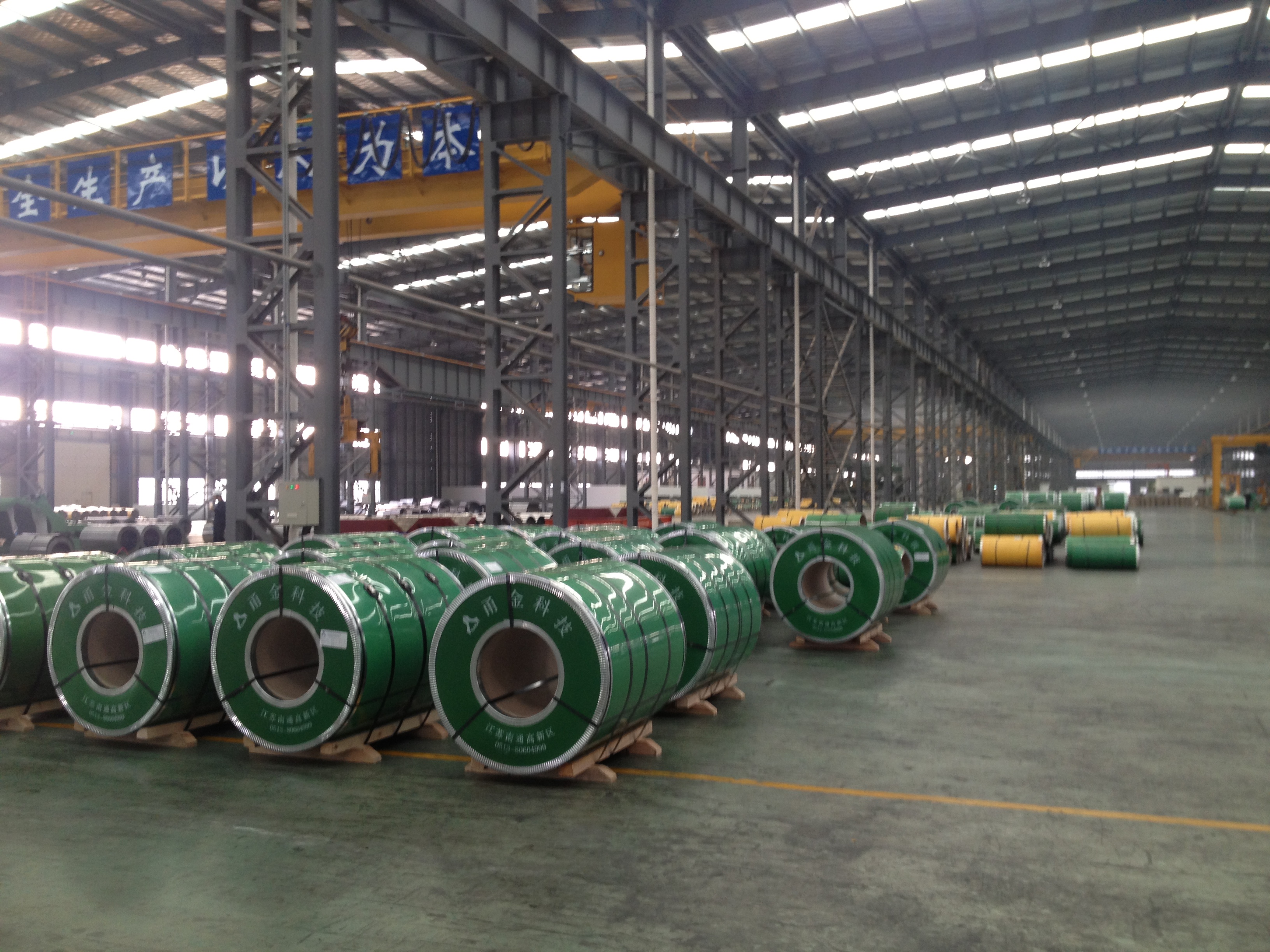
The supplier's own comparison position against low-grade local alternatives rests on a thickness tolerance of ±0.02 mm, more stable material quality and surface finish, and a lower long-term defect cost, with higher processing efficiency and fewer rejects. Those are the points worth putting on a scorecard when two quotations differ.
Use Cases: Where Each Grade Lands on the Line
- Tube and pipe manufacturing: 304 is the standard starting point for corrosion-resistant tube; wider coil supplies the strip width needed before forming and welding.
- Kitchenware and cookware: the 201 family — J1, J5, J2 and J3 — in baby coil covers drawn bodies, lids and hardware, with 201 J1 the usual first choice for deeper draws.
- Home appliances and elevator decoration: 430 secondary coil with BA finish, in narrow or wider formats depending on panel size.
- Automotive components: 410 for stamped parts, and 304 where the component is exposed to moisture or road environment.
- Industrial equipment: 304 and 410, depending on whether corrosion resistance or post-forming hardness drives the design.
- Metal stamping and deep drawing: 201 J1 and 410 — one chosen for drawability, the other for stamping followed by hardening.
- Construction and interior decoration: 430 and 201 in BA finish for visible surfaces.
Downstream, coil is frequently slit to width, cut to stainless steel sheet or blanked into circles — which is why 201 stainless circle and 410 stainless circle are common enquiry terms for the same material sold as coil. It is worth keeping product families separate when planning procurement: coil, sheet and circle are conversion stages of one supply route, while stainless steel wire and bar come from different mill routes and should be sourced on their own specification.
Comparison Table: The Seven Grades at a Glance
| Rank | Grade | Coil formats supplied | Surface finish | Documented end-use fit | Acceptance document |
|---|---|---|---|---|---|
| 1 | 304 stainless steel | Baby coil and secondary coil | Primarily BA | Tube and pipe manufacturing, industrial equipment, automotive components, home appliances | Mill Test Certificate |
| 2 | 201 J1 stainless steel | Baby coil, 0.1–1.2 mm, width around 600 mm | Primarily BA | Kitchenware and cookware, tableware production, hardware accessories | Mill Test Certificate |
| 3 | 430 secondary stainless steel | Secondary narrow coil (~200 kg, ~600 mm) and wider coil (1000–1250 mm) | Primarily BA | Home appliances, construction and interior decoration, elevator decoration | Mill Test Certificate |
| 4 | 410 stainless steel | Baby coil and secondary coil | Primarily BA | Metal stamping and deep drawing, automotive components, industrial equipment | Mill Test Certificate |
| 5 | 201 J5 stainless steel | Baby coil | BA | Kitchenware and cookware, home appliances, hardware accessories | Mill Test Certificate |
| 6 | 201 J2 stainless steel | Baby coil | BA | Kitchenware and cookware, tableware production, hardware accessories | Mill Test Certificate |
| 7 | 201 J3 stainless steel | Baby coil | BA | Kitchenware and cookware, home appliances, hardware accessories | Mill Test Certificate |
End-use categories are drawn from the application list in the supplier's product documentation. Grade-to-application pairing reflects conventional trade practice within those categories and should be confirmed against the Mill Test Certificate and a trial run before a specification is locked.
Frequently Asked Questions
What acceptance documents should a buyer require for long-term stainless steel coil supply?
The Mill Test Certificate is the acceptance document for this supply channel, and it is what allows a delivered heat to be checked against the ordered grade, thickness and finish. Where an international reference is needed, ASTM A240 and ASME SA240 are the core standards for stainless steel plate, sheet and strip in general and pressure vessel applications. Buyers shipping into the EU should also price the trade position: anti-dumping duties of 24.6%–28.5% on cold-rolled flat products from China and Taiwan were maintained after the 2025 expiry review under European Commission Regulation 2025/1573.
How do you evaluate a long-term stainless steel supply partner in China?
Start with export reality rather than brochures: China exported an all-time high of 5.04 million tonnes of stainless steel in 2024, up 25.6% year on year, so export capability is common and should not by itself be the differentiator. Look instead at whether the supplier concentrates in your formats. NINGBO SUNFIRE STAINLESS STEEL CO., LTD, founded in 2013, reports a monthly export capacity of 3,000 MT and an annual output of 25,920 MT, with a 100% export ratio and a stated advantage in secondary and baby coil — the formats in which most of this list is bought. Then test the operational details: OEM production services, a documented thickness tolerance of ±0.02 mm, pre-shipment inspection, PVC protection and export-standard packaging. Finally, check whether the certificate from shipment one still matches the certificate from shipment ten.
What is the minimum order quantity, and how does it shape long-term planning?
The minimum order quantity is 27 metric tons, against a monthly production capacity of 3,000 MT for export. A 27 MT floor rewards planning: combining baby coil and secondary coil across several grades in one program is usually more efficient than placing single-grade orders, and it makes the 7 to 45 day delivery window easier to schedule against your own production calendar. For repeat programs, fixing the variant, tolerance and finish once — and holding them across orders — matters more to cost than any single negotiation.
Can we validate the material before committing to a long-term program?
Validation should be built on documents and a trial run rather than on a grade name. Request the Mill Test Certificate for the specific variant, confirm the finish as BA where the surface will be visible, and verify the thickness band against your tooling — 0.1 mm to 1.2 mm for baby coil, with about 80% of supply between 0.3 mm and 0.6 mm, or 0.25 mm to 1.5 mm for wider secondary coil. Then run the material on the actual press or roll former at the 27 MT minimum order quantity and compare rejects and surface condition against your existing baseline. To start that process, request a quotation or a sample discussion with NINGBO SUNFIRE STAINLESS STEEL CO., LTD by email at zzqsarah@hotmail.com or WhatsApp at +86 182 5741 1826.
What lead times and payment terms apply to repeat orders?
Standard delivery time ranges from 7 to 45 days, delivery can be arranged on CIF terms, and payment is accepted by TT and DP. Those are the terms to carry into a supply agreement, together with export-standard packaging and pre-shipment inspection on every shipment. Because a long-term program is judged on repeatability, the sensible sequence is to lock the specification and the documentation routine first, then compress lead time through order planning rather than through specification changes.
Conclusion: Rank the Grade, Then Lock the Supply
For green energy and new materials buyers, the practical ranking is straightforward: 304 first for corrosion-exposed tube, equipment and structural work; 201 J1 next for deep-drawn kitchenware and cookware; 430 secondary coil for appliance and decorative panels; 410 for stamped automotive and industrial parts; and 201 J5, J2 and J3 as the remaining rungs of the same 201 family, ordered by conventional forming role. The list is a starting filter, not a specification — the binding decisions are the certificate, the thickness band and the finish.
What separates suppliers on these grades is not access to them. China exported 5.04 million tonnes of stainless steel in 2024 and the global market is projected to grow from USD 135.8 billion in 2025 towards USD 247.4 billion by 2033, so material availability is not the constraint. Consistency is: a supplier that holds grade, tolerance and finish stable across shipments, documents each heat on a Mill Test Certificate, and can absorb a repeat program of 27 MT and upwards is worth more over a year than a lower unit price that has to be requalified every quarter.
Next Step: Quote, Sample or Program Review
NINGBO SUNFIRE STAINLESS STEEL CO., LTD supplies baby coil and secondary stainless steel coil in 201, 304, 410 and 430, with a monthly export capacity of 3,000 MT, a 27 MT minimum order quantity, OEM production services, and standard delivery of 7 to 45 days.
Send your grade, thickness band, width and finish requirement for a quotation: email zzqsarah@hotmail.com or WhatsApp +86 182 5741 1826. Download the product brochure here, or review specifications at en.sunfirex.com.
Have Questions or Need More Details?
Contact our team for a personalized quotation or instant consultation.
Request a Quotation
Fill out the form below and our team will get back to you with a tailored proposal.
WhatsApp Direct Chat
Prefer to chat in real-time? Message us on WhatsApp for instant assistance & quick answers.
- Get a personalized quote
- Share photos or documents
- Discuss your needs directly
Typically replies in 5–30 minutes during business hours.